



Your body undergoes a carefully orchestrated series of hormonal changes each month, creating four distinct phases that make up the menstrual cycle. Each phase serves a specific purpose in reproductive wellness. Understanding them gives you a clearer picture of what's happening internally and when.
Whether you're preparing for pregnancy or want to better understand your cycle, this guide empowers you to take a proactive approach. You'll learn how each phase works and what they mean.
What Is a Menstrual Cycle?
The menstrual cycle is a recurring series of hormonal and physical changes that prepare the body for potential pregnancy. While menstruation is often what comes to mind when thinking about the cycle, it's just one part of a much larger process that unfolds each month.
A normal menstrual cycle ranges from 24 to 38 days, with 28 days being the typical length. Cycle length varies from person to person and can even fluctuate slightly from month to month in the same individual. Factors like stress, nutrition and overall health may also play a part. These variations are normal and reflect the complex interplay of hormones that govern reproductive health.
The menstrual cycle is driven by the rise and fall of key reproductive hormones, including estrogen and progesterone, each playing a distinct role in the monthly sequence.
Phases of a Menstrual Cycle
The phases of the menstrual cycle work together in a coordinated sequence, each building on the previous one to support reproductive health. Here's what happens during each stage.

1. Menstrual Phase
The menstrual phase marks the beginning of your cycle, typically lasting several days. During this phase, dropping estrogen and progesterone levels trigger the uterine lining to shed and produce menstrual bleeding. Menstruation is the most visible phase, but it represents just the beginning of your monthly cycle.
Many women notice physical symptoms during menstruation, including cramping, fatigue and flow ranging from light to heavy. Although this phase is less closely associated with ovulation, it also serves as your body's natural reset. Menstruation clears the previous cycle's uterine lining to prepare for the next.
Late in the menstrual phase, follicle-stimulating hormone rises to recruit new follicles. Blood loss during menstruation can affect iron levels for some women.
2. Follicular Phase
Multiple follicles begin developing in your ovaries during the follicular phase, which starts on day one and ends at ovulation.
As these follicles develop, one becomes dominant and continues to mature, producing increasing amounts of estrogen while the others regress. Estrogen signals the uterine lining to thicken and prepare for potential pregnancy while also promoting changes in cervical fluid that support the body's natural reproductive processes.
Egg maturation is a critical aspect of the follicular phase, though the process begins long before ovulation. Eggs take approximately three to four months to reach ovulation-ready maturity, which is why consistent nutritional support can be important throughout the egg-development timeline. Nutritional compounds like CoQ10 help support mitochondrial energy and antioxidants during egg development. DHEA plays a role in hormone-related processes connected to reproductive wellness.
3. Ovulatory Phase
Ovulation is a key phase for those tracking reproductive patterns. This brief but pivotal phase begins when luteinizing hormone (LH) surges in the day or two before ovulation, triggering the dominant follicle to release a mature egg from the ovary.
Ovulation is often described as occurring around the midpoint of a standard 28-day cycle, though timing varies with individual cycle length. Physical symptoms some women notice during this phase include:
- Pelvic discomfort: Mild pelvic pain or a twinge on one side may signal the release of the egg.
- Fluid changes: Cervical fluid consistency may change during the days leading up to ovulation.
- Energy levels: Some women may notice slight changes in energy throughout the day.
The ovulatory phase is brief, and the egg remains viable for less than 24 hours after release. However, because sperm can survive in the reproductive tract for three to five days, the most relevant days for cycle tracking actually occur in the days leading up to ovulation rather than on ovulation day itself.
4. Luteal Phase
The luteal phase begins after ovulation, when the empty follicle transforms into the corpus luteum. This typically lasts 11 to 17 days, extending from approximately day 15 through day 28 in a standard cycle. The corpus luteum is a temporary endocrine gland that produces progesterone, the dominant hormone of the luteal phase.
Progesterone plays a critical role during this phase, supporting the body's natural preparation of the uterine environment during the second half of the cycle. If pregnancy occurs, the corpus luteum continues producing progesterone to maintain the uterine lining. Otherwise, the corpus luteum breaks down, and progesterone and estrogen levels drop sharply. This triggers menstruation and restarts the cycle.
Because the luteal phase supports normal changes in the uterine lining, its timing is an important part of reproductive wellness. Certain nutrients have been studied for their relationship to reproductive wellness and normal hormone function, including B vitamins, vitamin D, zinc and magnesium. These are commonly found in quality reproductive health supplements designed to support reproductive wellness.
Nutritional Support for Every Phase of Your Cycle
Your body's nutritional demands can shift throughout your menstrual cycle and reproductive journey. Ovaterra's formulas offer targeted nutrition to support your body's natural processes as part of a healthy diet and lifestyle. Explore options designed to support your wellness:
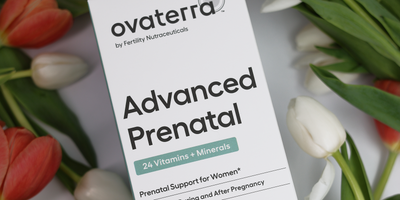
- Advanced Prenatal: Our complete prenatal formula combines folate, iron, DHA and other essential nutrients to support your body's nutritional needs before and during pregnancy.
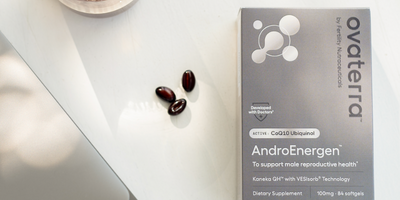
- OvoEnergen™ Ubiquinol CoQ10: Ovaterra's patented CoQ10 formula is designed to support antioxidant protection, cellular energy and overall reproductive health as part of your wellness routine.
- Fertinatal® DHEA: This proprietary DHEA formulation is designed to support reproductive wellness as part of a healthy diet and lifestyle.
Support Your Cycle With Ovaterra
Understanding the phases of the menstrual cycle empowers you to make informed decisions about wellness that support your reproductive health as part of a healthy diet and lifestyle. Choosing the right nutritional support is an essential part of putting that knowledge into meaningful action.
Ovaterra offers reproductive health supplements developed in collaboration with leading reproductive health scientists. From OvoEnergen™ Ubiquinol CoQ10 to our Advanced Prenatal formulations, each product is designed to provide nutritional support as part of a healthy diet and lifestyle. Explore our complete line of reproductive health supplements and discover how targeted nutrition can support your wellness throughout your cycle.


