



Your late 30s are a time of profound self-awareness. Understanding your evolving biology empowers you to make informed decisions about your reproductive wellness. Whether you want to support your body for the future or optimize your health now, knowledge is your greatest asset.
The changes happening within your body are natural, but that doesn't mean you can't take proactive steps to support your reproductive health after 35. This guide provides clear, science-backed strategies to help you optimize your cellular health, nutrition and wellness practices for better reproductive health in your late 30s.
Understanding Your Reproductive Health After 35
Understanding the science behind your body's natural evolution is the key to proactive wellness, not a cause for concern. The biological shifts that occur during your late 30s are well-documented and predictable. With this knowledge, you can make informed choices that support your reproductive health as part of a comprehensive approach to well-being.
The Shift in Egg Quantity and Quality
Women's egg health after 35 centers on two core components:
- Ovarian reserve: The quantity of eggs remaining in your ovaries.
- Oocyte quality: The genetic health of those eggs.
Your body is born with all the eggs it will ever have, about 2 million of them. The number of these eggs slowly decreases over time. After 35, the rate of decline in egg quantity and quality is faster, but varies from person to person.
The cellular process of sorting chromosomes during egg maturation, called meiosis, becomes less precise as you age and affects egg health after 35. This less precise meiosis may lead to a higher rate of aneuploidy, which refers to eggs with an atypical number of chromosomes.
The Role of Cellular Health in Reproduction
Your reproductive health is also determined by what happens at the microscopic level. Mitochondria function as the cellular powerhouses that provide the immense energy an egg needs for maturation and potential embryo development. A mature egg requires substantial mitochondrial output to support the complex biological processes involved in reproduction.
Cellular health after age 35 is driven by how much oxidative stress your mitochondria are exposed to. Research shows that aging eggs exhibit higher levels of oxidative stress, which impairs mitochondrial function. This cycle is a key factor in the age-related reproductive health changes you should plan for in your late 30s.
The Effect of Common Health Conditions
Certain health conditions can influence your reproductive wellness, especially after 35, including:
- Endometriosis: This condition causes tissue similar to the uterine lining to grow outside the uterus. This tissue growth can cause inflammation that may impact reproductive function.
- Uterine fibroids: These are noncancerous growths in the uterus. Depending on their size and location, these growths can sometimes interfere with embryo development.
- Thyroid disorders: Thyroid diseases, like an underactive thyroid (hypothyroidism) or an overactive one (hyperthyroidism), can disrupt menstrual cycles and ovulation.
- Diabetes: Uncontrolled blood sugar levels can impact reproductive health and pregnancy success.
Proactive Reproductive Wellness Strategies for Women Over 35
Understanding your biology is empowering, and taking action transforms that knowledge into tangible support for your reproductive wellness. Here are evidence-based reproductive wellness strategies to nurture your body during your late 30s and beyond.
Foundational Reproductive Health Nutrition in Your Late 30s
What you eat directly influences inflammation levels, cellular function and overall wellness. A nutrient-dense, anti-inflammatory diet creates a healthier reproductive environment and supports hormone health.
The following foods provide optimum nutritional support for women in their late 30s:
- Antioxidant-rich options include berries and leafy greens.
- Omega-3 sources encompass fatty fish like salmon and plant-based options like walnuts.
- Quality protein from both animal and plant sources supports cellular repair and hormone production.
Minimizing processed foods and added sugars can reduce inflammation throughout your body, potentially enhancing your reproductive wellness in your late 30s.
Lifestyle Adjustments to Optimize Wellness After 35

Holistic lifestyle changes that optimize wellness protect against cellular damage and support hormonal harmony, especially after 35. Critical lifestyle adjustments women can make to optimize reproductive wellness include:
- Stress management: Chronic stress elevates cortisol levels, which can disrupt reproductive hormones. Practices like mindfulness, yoga or meditation help regulate your body's stress response and promote hormonal balance.
- Adequate sleep: Sleep represents your body's critical time for cellular repair and reducing oxidative stress. Prioritizing seven to nine hours of quality sleep supports the cellular processes that maintain reproductive wellness.
- Physical activity: Consistent exercise that combines cardiovascular work and strength training improves insulin sensitivity and circulation. Both factors are vital for ovarian health and overall metabolic function.
Consulting with an OB/GYN about your individual health profile ensures you receive personalized guidance on lifestyle changes aligned with your hormonal profile.
The Power of Science-Backed Supplements for Women Over 35
While diet is foundational, science-backed cellular health supplements for women over 35 offer concentrated forms of compounds that may be difficult to obtain in adequate amounts through diet alone.
Here are some crucial wellness supplements for women 35 and older to bridge nutritional gaps and directly support reproductive cells:
Coenzyme Q10 (CoQ10)
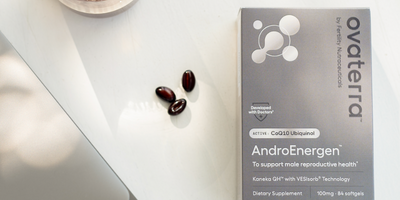
CoQ10 is a vital antioxidant that is critical to mitochondrial energy production. For mitochondrial health in women over 35, CoQ10 may help protect aging oocytes from oxidative damage and support overall egg quality.
Myo-Inositol
Myo-inositol is a type of B vitamin crucial for cellular signaling. It helps support ovarian function and promotes cycle regularity. It works by improving the body's response to insulin, which is closely linked to hormonal balance and reproductive wellness.
Vitamin D
Vitamin D is one of the most critical cellular health supplements, supporting bone health and acting as a hormone fundamental to reproductive wellness. Research shows that it is vital for ovarian follicle development and maintaining a healthy uterine lining. Sufficient vitamin D levels are associated with better reproductive health outcomes for women.
Omega-3 Fatty Acids
Omega-3 fatty acids, eicosapentaenoic acid (EPA) and docosahexaenoic acid (DHA), are essential fats that help reduce inflammation. Lower inflammation in the body can boost reproductive health. Research also suggests that omega-3s may contribute to improved egg quality and help regulate reproductive hormones.
Take the Next Step in Your Reproductive Wellness Journey With Ovaterra
Your reproductive journey is yours to define. By combining biological knowledge with proactive wellness strategies, like the right supplements, you become an empowered participant in your health.
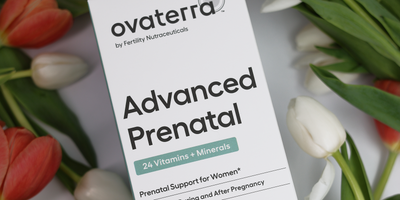
Ovaterra is committed to helping women own their reproductive health journey, regardless of age. We provide clinical-grade, science-backed supplements designed by doctors to support reproductive wellness as part of a healthy diet and lifestyle. Our formulations are triple-tested and developed with the precision you deserve. Each product delivers targeted nutritional support to help you nurture your cellular health from the inside out.
Shop our targeted supplements and take the next step in your proactive reproductive wellness plan.


