



Cramping without a period can feel unsettling, especially when you're thinking about your reproductive health. If you've noticed this pattern and found yourself wondering whether it could affect your ability to conceive, you're not alone. Cramping outside your period is more common than most people realize, and it doesn't automatically signal a problem.
Some causes of cramping without a period are completely benign and have nothing to do with fertility. Others may be cycle signals worth discussing with your healthcare provider.
When Cramps Without a Period Are Nothing to Worry About
Most causes of cramping without a period are normal cycle events that don't affect your reproductive health. These common patterns include:
Ovulation Pain (Mittelschmerz)
If you're around the midway point of your cycle, cramping may be a sign of ovulation. Mittelschmerz, commonly known as ovulation pain, is mid-cycle pelvic pain that occurs when your ovary releases an egg, typically around day 14 of a 28-day cycle. It's one of the most common causes of cramping without a period, affecting over 40% of women.
This cramping can feel sharp or dull, may occur on one side of your pelvis, and usually lasts anywhere from a few minutes to a day or two. It happens when your luteinizing hormone (LH) peaks and signals that ovulation is occurring.
Far from being a fertility concern, mittelschmerz is a reassuring sign that your ovaries are functioning normally. Some women even use this mid-cycle cramping to help identify their fertile window. If you're experiencing other signs of ovulation alongside one-sided cramping, it's likely mittelschmerz.
Early Pregnancy
Light cramping without a period may be a sign of early pregnancy, particularly when accompanied by other signs like breast tenderness, fatigue and light spotting. As your uterus begins to expand and adjust to accommodate a growing pregnancy, you may experience cramping that can occur even before a missed period. These cramps feel similar to or slightly milder than period cramps.
If you're experiencing cramps, no period and are not pregnant according to a recent test, but your period is late, consider testing again in a few days. Early pregnancy tests can sometimes miss a pregnancy if taken too soon.
Digestive Issues
Sometimes cramps without a period can simply be a sign of digestive issues. Your gastrointestinal system shares the pelvic region with your reproductive organs, which means digestive problems can produce cramping that feels cycle-related but isn't. Conditions like irritable bowel syndrome (IBS), constipation, gas and bloating can all cause pelvic discomfort that mimics period pain.
If your cramping seems tied to meals or digestive patterns rather than your cycle timing, a non-reproductive cause is likely, especially if you also feel bloated or nauseous. The good news is that GI cramping often improves after a bowel movement.
Stress and Lifestyle
High stress levels and intense exercise can both disrupt the hormonal signals that regulate ovulation, which in turn can delay or lighten your period while still causing cramping. Your body is remarkably responsive to stress. High daily stress can disrupt your cycle, meaning you'll experience period cramps but no period sometimes.
Intense exercise can have a similar effect. Women who exercise for six or more hours per week at moderate intensity are more likely to experience irregular cycles, yet may still experience some cramping.
While these lifestyle factors can temporarily affect your cycle and cramps, addressing stress and adjusting exercise intensity often helps restore normal patterns without long-term effects on fertility.
When Cramps Without a Period May Be a Cycle Signal Worth Noting
While many causes of cramping without a period are benign, some patterns may signal underlying cycle issues worth exploring with your healthcare provider. Recognizing these signals gives you more agency over your reproductive wellness.
Anovulation
If you get no period but are cramping, it may be a sign of anovulation, which is when your ovary doesn't release an egg during a cycle. When ovulation doesn't occur, your body doesn't produce progesterone, which is essential for triggering a regular period. Without this hormonal shift, your period may not arrive on schedule, may come irregularly or may be unusually light. You may still experience cramping even without a true menstrual period.

Anovulation affects up to 18% of women at some point. Occasional anovulatory cycles can be triggered by stress, illness or lifestyle disruption and aren't uncommon. However, if you don't ovulate regularly, it is called an anovulatory cycle, which can affect your ability to conceive and is worth discussing with your doctor. If you're unsure whether you're ovulating regularly, tracking signs of ovulation can provide helpful information.
Hormonal Imbalances
Cramping with no period can be a sign of deeper hormonal imbalances. Progesterone is critical in the second half of your cycle, known as the luteal phase. After ovulation, progesterone helps thicken the uterine lining in preparation for a potential pregnancy. When your progesterone levels aren't where they need to be, the lining may not develop adequately, and your cycle may feel irregular.
You might experience cramping without a proper period, along with symptoms like mood changes or trouble sleeping. If you're frequently missing periods or they're irregularly light, it can be a signal of underlying issues. Discussing your hormone levels with your healthcare provider can help identify what you need to address to support your fertility.
Endometriosis
One of the most common causes of pelvic cramping without a period, affecting 10% of women, is endometriosis. It is a condition where tissue similar to the uterine lining grows outside the uterus. Unlike typical period cramps, cramping from endometriosis can occur at any point in your cycle and is often described as more severe than normal menstrual pain.
If your cramping is persistent, getting worse over time or interfering with your daily life, it's worth bringing up with your healthcare provider. Early diagnosis and management of endometriosis can make a significant difference in your quality of life and reproductive health.
Accompanying Concerning Symptoms
Certain symptoms, when they appear alongside cramping and a missed period, suggest a need for prompt medical attention. If you experience any of the following, contact your healthcare provider:
- Sudden, sharp, or severe pain that doesn't improve
- Fever or chills
- Dizziness or fainting
- Unusual vaginal discharge
- Pain during urination
These symptoms don't guarantee a reproductive health issue, but they do indicate that a conversation with your doctor is warranted to rule out infections, ovarian cysts or other conditions that benefit from early intervention.
What to Do If You're Noticing a Pattern
One isolated instance of cramps without a period is rarely cause for concern, but recurring symptoms deserve attention.
Consider tracking your cycle symptoms over the next few months. Note when cramping occurs, how long it lasts and any other symptoms you notice. This record gives both you and your healthcare provider a clearer picture of what's happening. Cycle-tracking tools can also help you identify your fertile window and any cycle irregularities that could be a fertility concern.
Bring your observations to your doctor, especially if cramping is severe, worsening or accompanied by other concerning symptoms. They can order tests to pinpoint causes and address any underlying issues early.
In the meantime, focusing on general wellness can support a healthy menstrual cycle. Lowering stress, getting adequate sleep, avoiding overexercising, maintaining proper nutrition, and considering targeted supplementation for reproductive wellness can help nurture your body's natural reproductive processes.
Support Your Reproductive Wellness With Ovaterra
Understanding what your body is signaling helps you take an active role in your reproductive health. While cramping without a period isn't always a concern, it's worth tracking patterns and discussing recurring symptoms with your healthcare provider. Supporting your reproductive wellness through proper nutrition, stress management and quality supplementation can help nurture your body's natural fertility as part of a healthy diet and lifestyle.
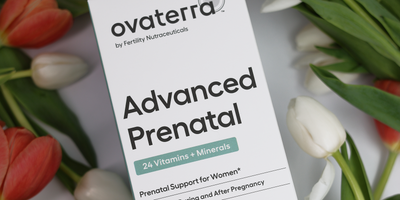
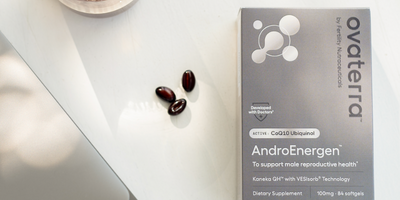
Ovaterra offers professional-grade nutraceuticals developed by leading reproductive scientists. Our science-backed formulas include Fertinatal® DHEA and OvoEnergen™ Ubiquinol CoQ10, formulated to support your body's natural reproductive processes.
Explore our supplements to find nutritional options designed with your reproductive wellness in mind.


