



Menstruation may be irregular during perimenopause. You may get periods more frequently, less frequently, or heavier or lighter, or you may miss periods for a short period of time. It is still possible to get pregnant (although fertility decreases). Ovulation may happen, so natural conception may still be possible.
How Ovulation Can Continue During Perimenopause
During perimenopause, levels of hormones begin to change. Ovarian function is beginning to change. Estrogen and progesterone levels can be unpredictable. Ovulation may occur less often than previously; however, it will not immediately stop.
Even when periods start becoming irregular, your ovaries can still release an egg during a cycle, and if sperm fertilizes it, pregnancy can happen. Paying attention to how to know if you're ovulating can give you a better read on how your body is shifting, though physical symptoms alone cannot confirm ovulation for sure.
As women get older, their fertility may decrease due to fewer and lower-quality eggs. Therefore, women may have trouble getting pregnant. However, it is still possible for women to get pregnant.
Why Irregular Periods Do Not Rule Out Pregnancy
Menstrual changes occur during perimenopause. This can mean you have longer gaps between periods, two periods in quick succession, or irregular bleeding. This is due to fluctuating hormone levels.
It can be difficult to predict ovulation from menstrual bleeding at this time. Sudden ovulation can occur, even when there have been several months with no periods. Tracking fertility using a calendar or predicting menstrual cycles may therefore become less reliable.
If you have had no periods in 12 consecutive months (with no other medical cause), then menopause has occurred. However, if ovulation has occurred during this time, it is still possible to get pregnant naturally.
Supporting Reproductive Health During This Transition
It is a good idea for both people to make some changes to ensure they are in good health, eating well, and optimizing reproductive health. As sperm health is an important factor in becoming pregnant, it can be a joint effort between couples.
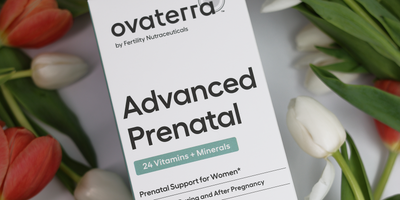
Couples looking for extra nutritional support sometimes turn to options like prenatal vitamins for women over 40, though supplements should never take the place of proper fertility testing or guidance from a doctor.
This may help couples make informed choices. It can help them understand what actions may be beneficial to achieving reproductive health.
What to Consider if You Want to Avoid Pregnancy
Use effective contraception to avoid getting pregnant. Even though your periods may be irregular and fertility may be decreasing, it is still possible to get pregnant. Do not stop using contraception.
Condoms, hormone-containing contraceptives, or intrauterine devices (IUDs) may be used. Which method is best will depend on your medical history, what you prefer, any symptoms you have, and your general health. Ask a healthcare professional to discuss any benefits and problems associated with each of these methods.
Hormonal contraceptives may affect how you bleed. This can make it difficult to know if you have entered menopause. Be sure to talk through your options, particularly if you are thinking about stopping or changing your contraceptive.
Preparing for Pregnancy During Perimenopause
It is advisable to talk to a healthcare professional if you are trying to get pregnant during perimenopause. As fertility can be affected by age, they may ask about your menstrual history, fertility, any medications you’re taking, and wider medical history in order to recommend suitable fertility investigations.
Checking in with a healthcare provider before trying to conceive makes sense at any age. It gives you a chance to talk through existing health conditions, daily habits, and any medications you take. It also helps to know about fertility tests, since getting enough folic acid ahead of pregnancy lowers the risk of certain neural tube defects.
Your body's nutritional priorities can shift as you get older, too. Options like Preconception Pack for Women 40+ are worth bringing up with a qualified doctor or midwife. Just keep in mind that supplements work alongside a nutritious diet rather than replacing one, and they cannot turn back age-related fertility shifts or promise a pregnancy.
Pregnancy Symptoms Can Overlap With Perimenopause
Pregnancy symptoms can be similar to symptoms of perimenopause. You may experience breast tenderness, tiredness, mood changes, disturbed sleeping patterns, and changes to bleeding. This can make it hard to know the cause of symptoms.
If your menstrual cycle is irregular, you may find that missing a period is not a reliable first symptom. If you think that you could be pregnant, a home pregnancy test would be very useful. Be sure to follow the instructions on the packet. If you receive a negative result but still think you could be pregnant, take another test or ask a health care professional for help.
Understanding Your Options as Your Cycle Changes
Pregnancy is still possible during perimenopause if ovulation is taking place. This can be useful to consider as you make decisions around contraception and planning pregnancy.
Depending on whether you want to become pregnant or avoid becoming pregnant, decisions to make will depend on your personal situation. Getting accurate information, the right tests, and medical support at the right time will help you make more confident decisions. For extra information to help in making decisions about your reproductive health and nutrition, visit Ovaterra.
Frequently Asked Questions
Can I get pregnant during perimenopause?
It is possible to get pregnant during perimenopause, even if you have missed periods. However, if you have gone 12 months without a period, then it is likely that you have entered menopause.
Signs of Pregnancy During Perimenopause
Common signs of pregnancy during perimenopause include sore breasts, tiredness, nausea, moodiness, and missed periods. In many cases, these symptoms can be due to hormonal changes. A pregnancy test is therefore the best way to confirm.
How likely am I to get pregnant during perimenopause?
As you get older, fertility decreases as less good quality and fewer eggs are available. However, as long as you are still ovulating, you may still be able to get pregnant until reaching menopause.
Risks of Getting Pregnant During Perimenopause
Risks include complications related to your age, including an increased risk of miscarriage, diabetes in pregnancy, or high blood pressure. Having regular antenatal appointments can help you to monitor for any complications.
When should I take a pregnancy test during perimenopause?
If you have had unprotected sex and think you might be pregnant, you can take a pregnancy test. For the most accurate result, take a test once you have missed a period. If your periods are irregular, take the test 21 days after having unprotected sex.


