



Pregnancy Nutrients: Recommended Doses for Prenatal Vitamins
Prenatal vitamins are dietary supplements that ensure that a hopeful mother receives adequate nutrients to support the increased needs of her—and her fetus’—bodies. A diet lacking in vital nutrients can lead to potential birth defects, pregnancy complications, and a compromised immune system. And even with a healthy diet, obtaining the nutrients necessary to conceive and bear a healthy child can be challenging. For example, the average person does not consume nearly enough Vitamin D. Prenatal vitamins fill these gaps easily, without taking much time or effort for the mother.
With today’s technology, vitamins can be engineered to supply all critical nutrients that can’t be achieved with the average diet. Unfortunately, most prenatal vitamins on the market lack the proper recommended minimum doses of some of the most important nutrients that are needed to support a mother and a baby through her term. Here is a list of some of the nutrients essential to a healthy pregnancy that one should look for in a prenatal vitamin with their recommended doses:
Iron
One of the most famous nutrients essential for a healthy pregnancy is iron. Iron is essential to produce hemoglobin, the protein in red blood cells that carries oxygen. Adequate iron levels ensure sufficient oxygen supply to the fetus, which is of course indispensable when it comes to proper birth weight, neural development, and overall growth. Low iron levels can also lead to anemia in pregnant women, which is known to cause fatigue, weakness, and shortness of breath. The recommended daily dose of iron for pregnancy is 30 to 60 milligrams according to the WHO.
Folic Acid
Folic acid, a form of vitamin B9, is essential in preventing neural tube defects (NTDs). The neural tube, which develops in just the first few weeks of pregnancy, forms the fetal brain and spinal cord. Because the neural tube forms so early, it’s often recommended that women who plan to become pregnant begin taking folic acid supplements from before conception well into the first trimester. Folic acid may also play a significant role in reducing the risk of pregnancy complications such as heart disease, some cancers, stroke, Alzheimer’s disease, and preeclampsia. The recommended daily dose of folic acid for pregnancy lies between 400 and 800 micrograms according to the CDC and WHO.
Choline
Like folic acid, choline supports brain and spinal cord development in the fetus starting in the earliest stages of pregnancy, and is critical in building the fetus’ future memory and learning capacities. Adequate choline intake during pregnancy has been linked to improved cognitive outcomes in children and may even help reduce the risk of certain birth defects and maternal health complications. The daily recommended dose of Choline is 450-550 mg.
Vitamin D
Vitamin D is also extremely important, as it builds the bones and teeth of the fetus and assists in calcium absoprtion. The recommended daily dose of Vitamin D for pregnant women is 15 micrograms or 600 IU.
Omega-3
Another group of nutrients essential to pregnancy are omega-3 fatty acids, which play a vital role in the development of the baby's brain and eyes. Adequate intake during pregnancy can help reduce the risk of preterm birth, pre-eclampsia, and postpartum depression in the mother. One omega-3 in particular, DHA, is essential for skin development, and may not be found in all prenatal vitamins, and thus expecting mothers must be extremely careful not to miss this critical nutrient when purchasing supplements. According to the NIH, doses from 200-300 to up to 1,000 milligrams of DHA are recommended for pregnant women, especially to prevent preterm birth.
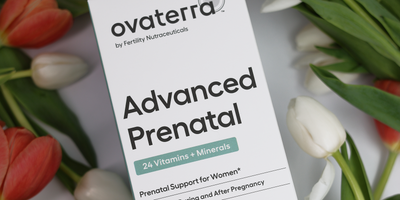
Ovaterra’s new Advanced Prenatal Formula delivers clinically recommended doses of key nutrients in a supplement expertly designed by reproductive endocrinologists. Backed by scientific research, this formula reflects the latest advancements in prenatal nutrition. Learn more about Ovaterra’s most recent advancements in prenatal vitamins here: https://myovaterra.com/blogs/resource-library/most-important-vitamins-for-pregnancy


