




About one in eight couples struggle to get or stay pregnant. And for as many as 60% of them, this frustrating experience leads to increased levels of stress, anxiety, and depression, all of which can have a potentially negative impact on reproductive health.
If you’re trying and failing to conceive, it’s important to acknowledge the connection between stress and fertility, including the careful interplay between mental and reproductive health, and how to effectively manage stress and move forward on your journey.
Infertility Depression and Stress
Trying and failing to get pregnant, month after month, can take a huge mental toll. For potentially half or more of these individuals, this experience can result in infertility depression, or acute (and often harmful levels) of stress, including symptoms such as:
- Extreme sadness or hopelessness
- Difficulty concentrating
- Mood swings
- Irritability or anger
- Physical symptoms such as stomach troubles and headaches
- Loss of interest in previously enjoyed activities
- Social withdrawal
- Self-harm
- Suicidal ideation
Mental Health and Fertility: The Mind-Body Connection
When it comes to mental health and fertility, it’s normal to wonder whether issues like stress cause infertility or are a symptom of failing to conceive.
According to science, it’s probably a bit of both. Women with depressive symptoms are more than twice as likely to report infertility, and on the flip side, infertility causes stress that can lead to depressive or anxious symptoms.
These connections aren’t just due to fluctuating hormones, though that does play a role. Worry, isolation, embarrassment, strain on finances and relationships, and recurring cycles of grief and loss can all play a role as well. For these and other reasons, it’s crucial that women pay close attention to their stress levels during this period – and that they take action right away if the psychological toll of their reproductive struggles becomes too much.
4 Practical Tips for Coping with Infertility
You can’t always prevent infertility depression or anxiety, but you can take steps to manage these or other troubling symptoms around stress and your reproductive health.
1. Be honest with yourself and your partner.
Reproductive struggles are common, as are their associated mental health challenge, like stress and depressive symptoms. So, rather than trying to pretend everything is okay, acknowledge that the situation is hard and that it’s taking a toll on your mental health. This allows you and your partner to tackle the problem head-on and is a crucial step toward getting the support you need.
2. Take care of yourself.
Many women put their lives (and their focus on mental well-being) on hold while trying to get pregnant. But coping with infertility requires you to nurture from within, putting a high priority on things like self-care, stress relief, and mindfulness, plus making sure to exercise, eat a balanced diet, and get adequate nutritional support for reproductive health.
3. Seek peer support.
Look into reproductive health support groups in your area. Or, if you’d prefer the anonymity of a screen, check out supportive forums on sites like Reddit or BabyCenter, where women from all over the world come together to discuss their struggles with conception. Even if you don’t contribute, just reading through others’ experiences can help you feel less isolated and more understood.
4. Talk to a mental health professional.
Don’t suffer in silence. Various treatment options exist for individuals experiencing stress, depression, or other mental health issues related to an inability to get pregnant. These include emotion-focused therapy (EFT), cognitive behavioral therapy (CBT), and general talk therapy. There are also several antidepressant medications safe for use during conception and pregnancy, if required.
Get Targeted Help on Your Reproductive Journey
In the words of Nelson Mandela: It always feels impossible until it’s done.
Pregnancy is not a straightforward path for many couples, nor is it an easy one. However, most couples will eventually conceive, leaving the difficulty of stress and fertility behind.
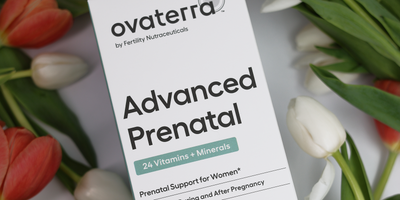
As you navigate the complex world of mental health and fertility, make sure you’re taking care of yourself with reproductive health supplements that provide balance and nutrition as part of a healthy lifestyle. Explore Ovaterra prenatal vitamins for advanced pregnancy support, and take control where you can on the often complicated and stressful path to a successful pregnancy.


