



When you’re trying to get pregnant, egg quality counts for just as much, if not more, than quantity.
In the context of egg quality and fertility, things like how many chromosomes an egg has and how well it functions are essential factors in fertilization. And unlike egg quantity, which is determined at birth, you actually do have some control when it comes to making positive improvements.
Read on for our quick guide to egg quality vs quantity, plus an overview of the lifestyle and diet changes that can make all the difference.
Understanding Egg Quantity vs. Quality
Let’s start with some simple definitions.
- Egg quantity refers to the number of eggs in your ovarian reserve. You are born with all of the eggs you will have, and this number diminishes over time due to age, lifestyle factors, and certain medical treatments or illnesses.
- Egg quality is the overall health and viability of the eggs themselves. Usually, only the highest quality eggs are capable of being fertilized, implanted, and developed into a healthy embryo.
While egg quantity can be determined through a combination of lab tests, it’s much harder to determine quality. Because egg quality and fertility are so closely linked though, it’s a good idea to take steps toward quality improvements – even if you’re not sure there’s a problem.
Why Quality Matters More for Conception
A low ovarian reserve can still lead to a healthy pregnancy with good luck, timing, and possible medical intervention, but the same can’t be said for poor quality eggs.
Factors related to quality, including chromosomal integrity and cell energy, directly impact rates of pregnancy, miscarriage, and birth defects. As such, the quality of your eggs has huge implications in your ability to get and stay pregnant, and also impacts the success rates of IVF.
Egg quality declines naturally with age, with a notable decrease after age 37. Knowing how to improve egg quality is a must if you’re trying to get pregnant at a later age, and can also be helpful for younger women and those who are struggling with infertility.
Symptoms of Poor Egg Quality
As mentioned, there is no test for egg quality. However, there are some notable signs and symptoms of poor egg quality, and they’re worth paying close attention to if you’re trying to get pregnant or plan to start trying in the future.
Signs that women may experience include:
- Difficulties getting pregnant
- Recurrent miscarriages
- Irregular periods or no periods
- Low number of eggs produced in an IVF cycle
- Failed IVF implantations
And while tests can’t tell you if your eggs are poor quality, they can provide some hints. Low levels of estradiol, follicle-stimulating hormone (FSH), and Anti-Mullerian hormone (AMH) are all signs that something may be off with egg quality.
How to Improve Egg Quality
Your best bet for boosting the quality of your eggs is to focus on the lifestyle and diet factors most closely tied to ovarian health – namely nutrition, sleep, stress, and exercise.
Nutrition
A healthy, well-balanced diet is a must for high-quality eggs. Eat plenty of whole grains and healthy fats, and avoid processed meats and foods that are ultra-processed and/or high in sugar. You should also avoid alcohol, which studies show may lead to the development of poor quality embryos.
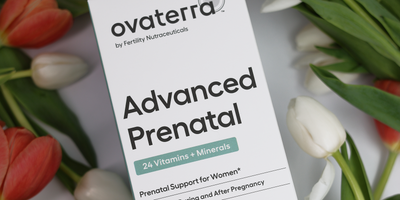
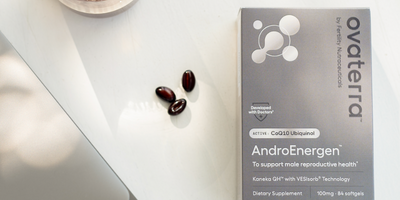
In addition to diet, science-backed reproductive health supplements, specifically those with ingredients such as antioxidants, CoQ10, and myo-inositol, could make a significant difference. We also recommend having male partners take prenatals for men to make sure you’re optimizing your chances as much as possible. Check out our article on supplements that increase fertility to learn more.
Sleep
Sufficient sleep helps regulate hormones and, by extension, reproductive health and egg quality. Aim for 7 to 9 hours per night, and practice good sleep hygiene to make sure you’re getting the highest quality rest each night.
Stress
Effective stress management is a good idea for anyone trying to conceive. What this looks like is up to you, but should include prioritizing your mental health, engaging in self care, and, if necessary, talking to a medical professional about issues with extreme stress or anxiety.
Exercise
Engaging in consistent, moderate exercise could improve egg quality by boosting blood flow, reducing stress, and helping with hormone regulation. Just don’t overdo it, since too much vigorous exercise can cause anovulation or other fertility concerns.
Want to Learn More?
In summary, it’s the quality of your eggs—and not just the quantity—that impacts your ability to get pregnant. To make improvements, be consistent in adopting the tips above, and seek an early intervention if you’re worried about your egg health. Find out more in our resource library.


